InvestKit Blog
Deep dives into financial planning, investment analysis, mutual funds, stocks, and market trends to help you grow your wealth smarter.
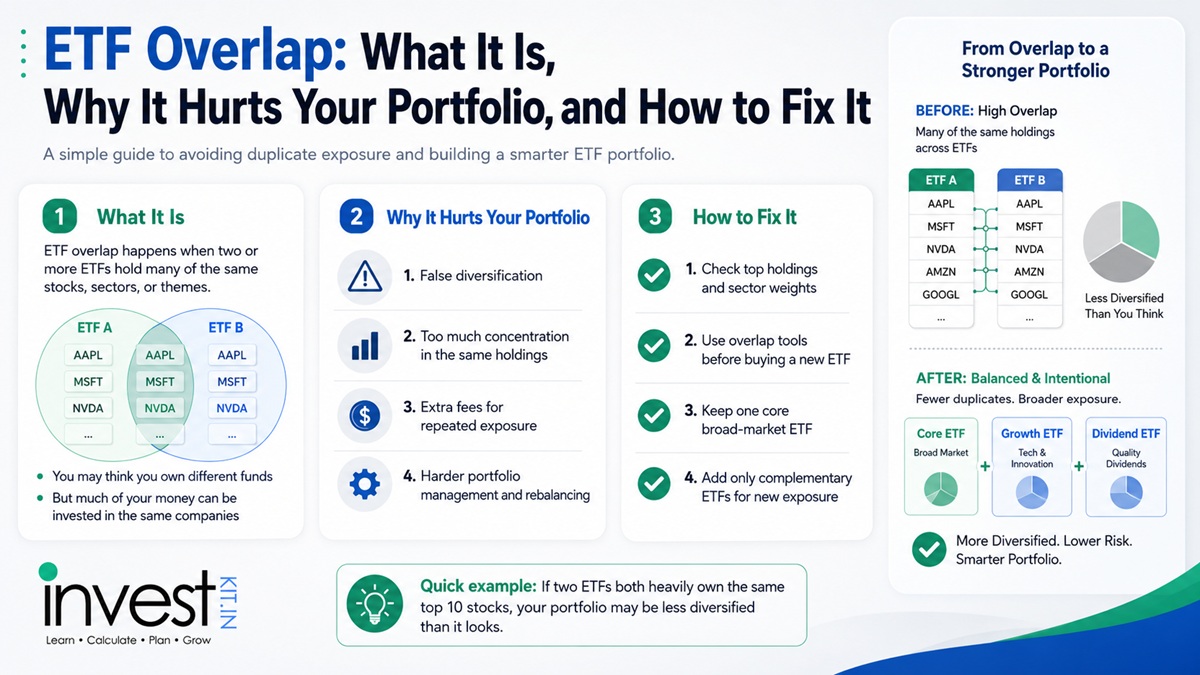
ETF Overlap: What It Is, Why It Hurts Your Portfolio, and How to Fix It
Holding multiple ETFs doesn't always mean you're diversified. ETF overlap silently concentrates your risk and inflates your costs. Here's what it is, why it matters for US and Indian investors, and exactly how to fix it.

What is an Emergency Fund and How to Build One Fast in India
A mutual fund factsheet contains everything you need to evaluate a fund — NAV, returns, portfolio holdings, risk metrics, and more. This step-by-step guide explains how to read and interpret a mutual fund factsheet like an expert.
Buy vs. Rent in Jaipur & India's Top 10 Cities: Simple Financial Math
Should you buy a home or rent and invest the difference? We explain the simple math of buy vs. rent for Jaipur and India's top 10 cities — Mumbai, Delhi, Bengaluru, Hyderabad, Pune, Chennai, Kolkata, Ahmedabad, and Surat.

Step-Up SIP: How to Build Significantly More Wealth Without Feeling the Pinch
A Step-Up SIP automatically increases your monthly investment every year, matching your salary growth. The math is remarkable — a 10% annual step-up can create 60-70% more wealth than a flat SIP over 15 years.
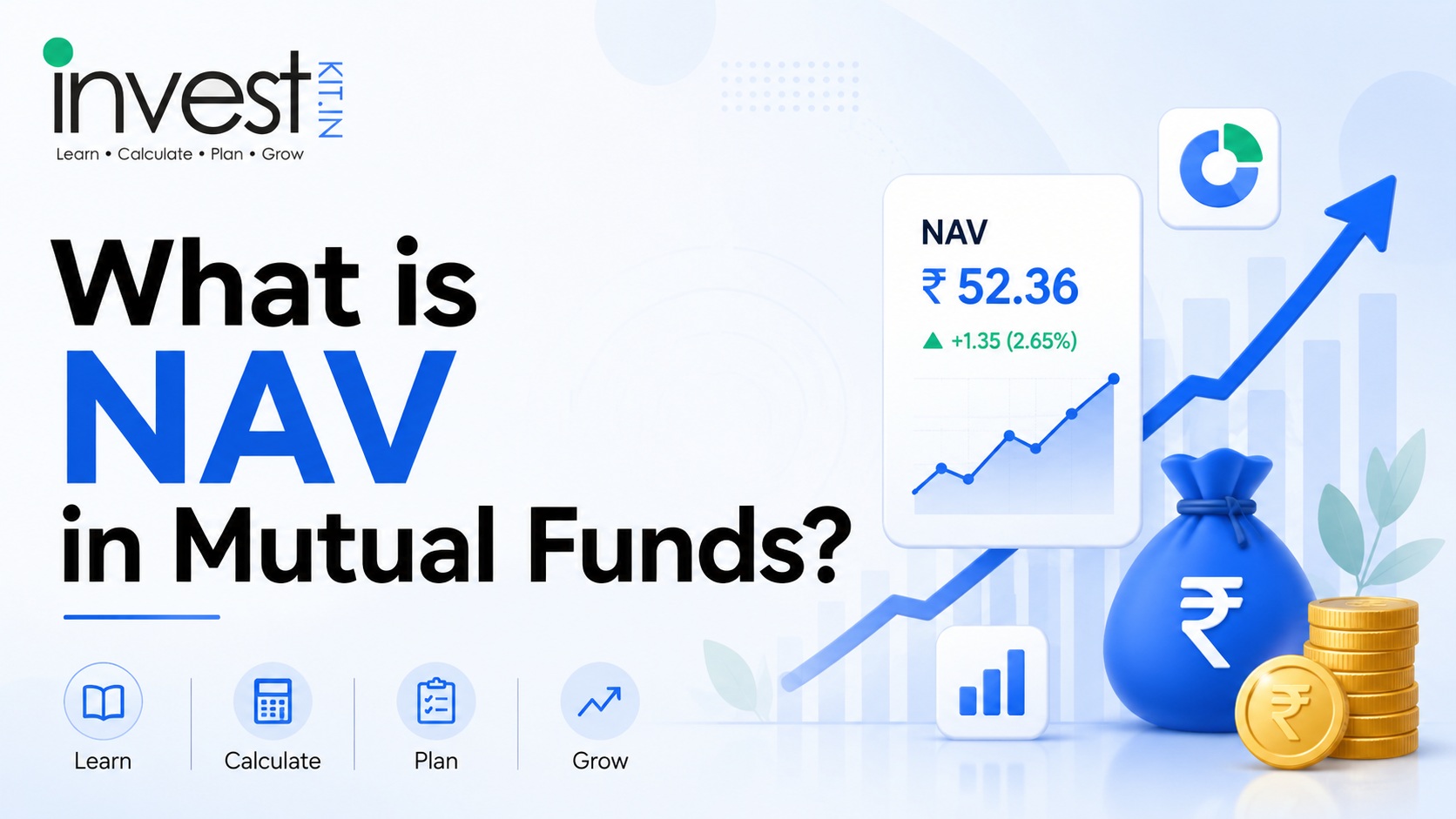
What is NAV in Mutual Funds? A Simple, Complete Explanation
NAV (Net Asset Value) is the price per unit of a mutual fund — but a higher NAV doesn't mean the fund is expensive. This guide clears all the confusion around NAV and what it really means for your investments.

Direct vs Regular Mutual Fund — The Real Difference and Why It Always Matters
Direct vs regular mutual fund: understand the real difference in expense ratio, returns, and long-term wealth impact, with step-by-step switching guide.
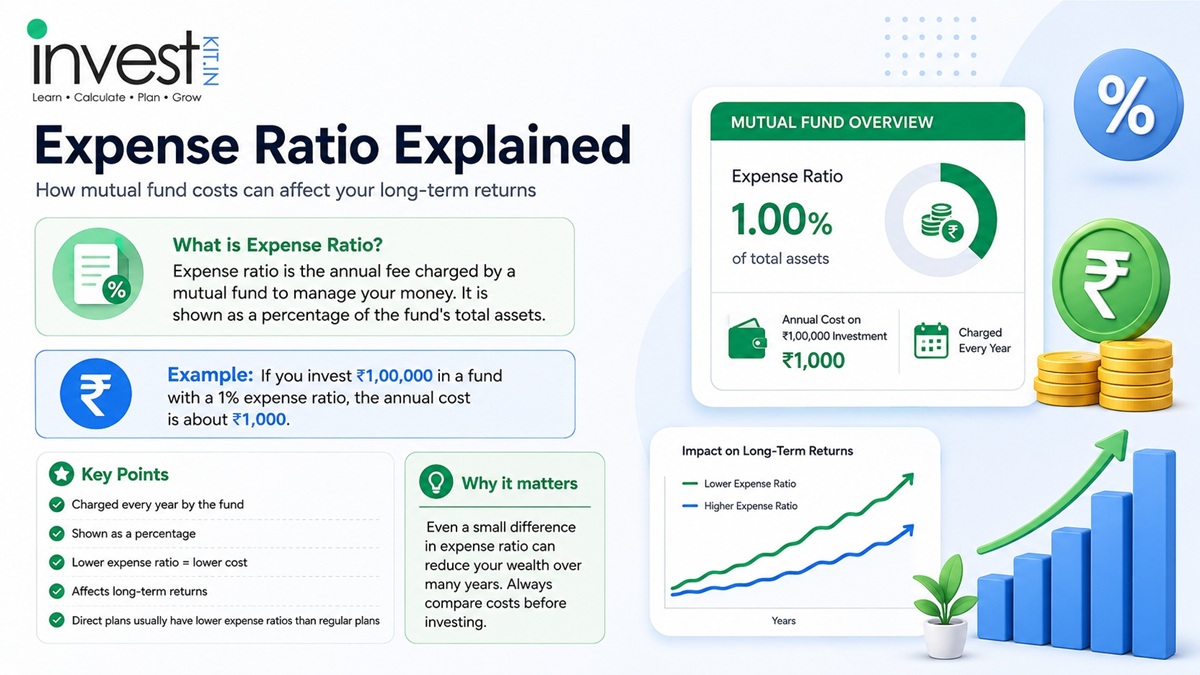
Expense Ratio Explained — How Mutual Fund Fees Are Silently Eroding Your Returns
Understand what expense ratio (TER) means in mutual funds, how it silently erodes your returns, and why switching to direct plans can save you lakhs.
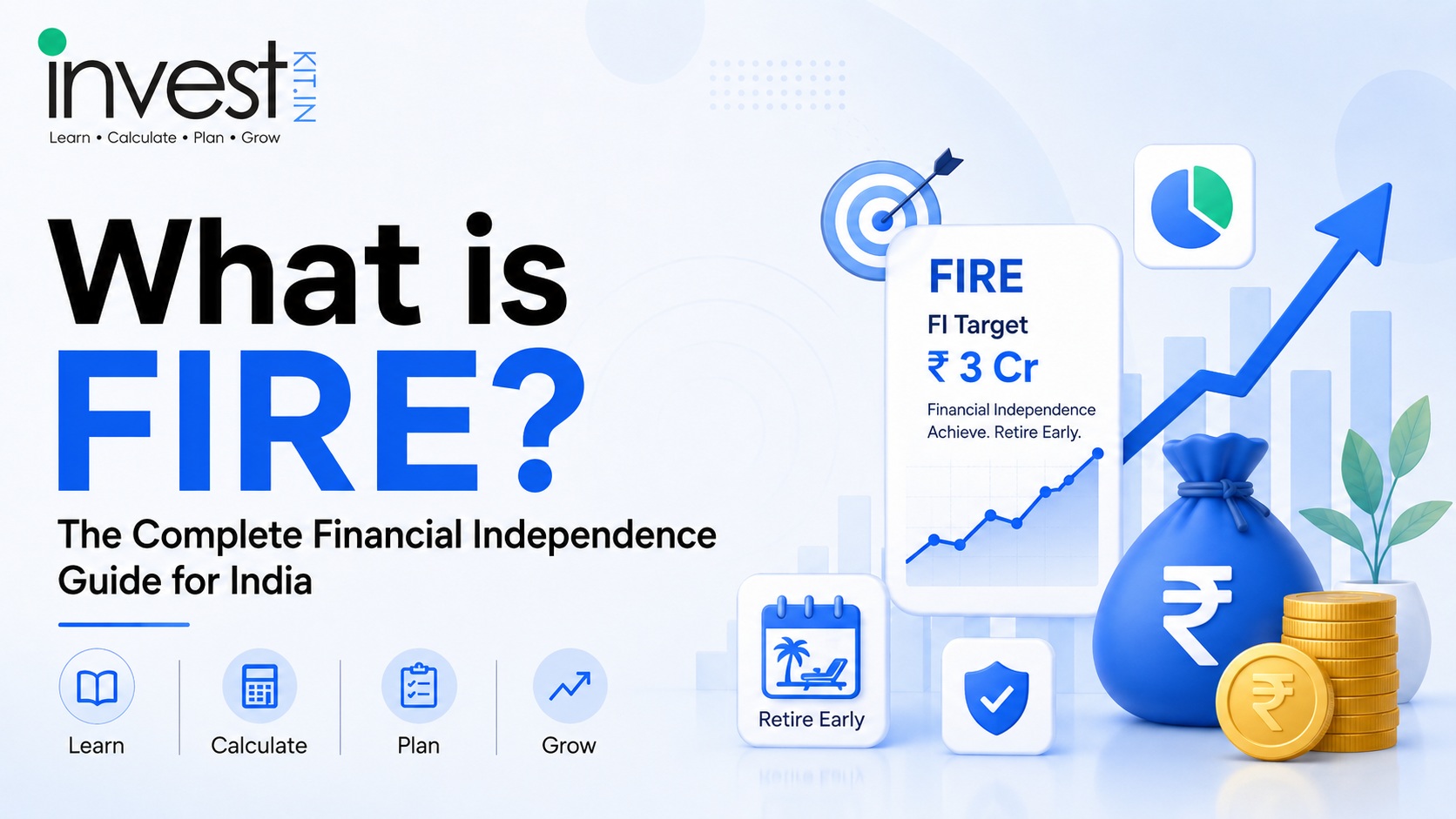
What is FIRE? The Complete Financial Independence Guide for India
Learn what FIRE (Financial Independence, Retire Early) means in an Indian context, with real ₹ numbers, different FIRE types, and a practical roadmap.
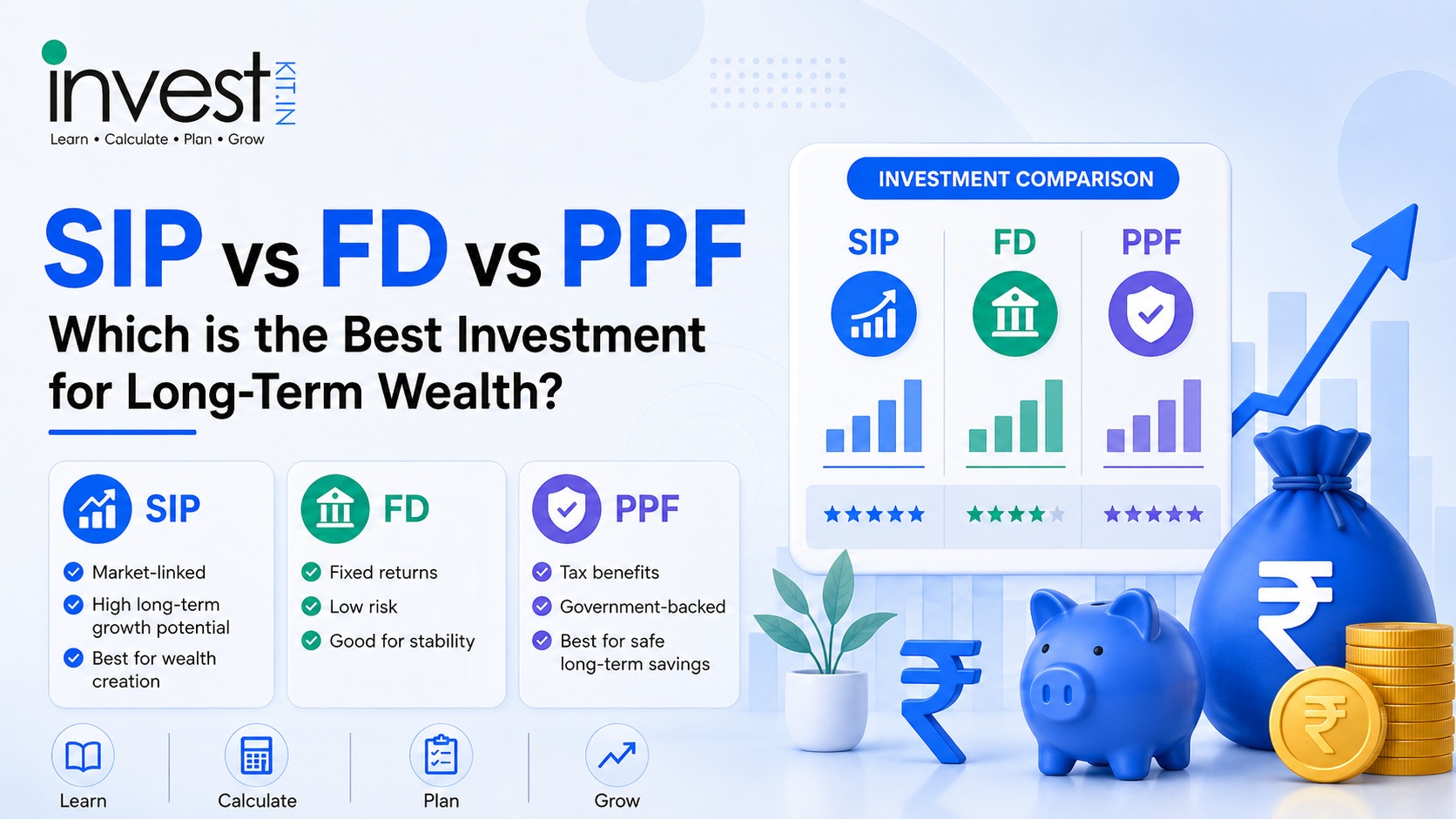
SIP vs FD vs PPF — Which is the Best Investment for Long-Term Wealth?
SIP vs FD vs PPF — a data-driven comparison of returns, tax, liquidity, and risk to find the best long-term investment for Indian investors.

What is SIP? A Beginner's Complete Guide to Systematic Investment Plans
Learn what SIP is, how Systematic Investment Plans work in India, and why SIP is the smartest way for beginners to start investing in mutual funds.